Novidades

Conseguirão os Nossos Heróis Encontrar o Amigo Misteriosamente Desaparecido na África?
R$14,90
Fausto Di Salvio, um próspero editor romano sufocado pela rotina profissional, pelas convenções de seu meio e por uma vida cuja estabilidade começa a lhe parecer vazia, decide partir para a África em busca do cunhado Oreste Sabatini, desaparecido havia anos sem deixar notícias. Ao seu lado segue Ubaldo Palmarini, seu fiel e pouco aventureiro contador. O que começa como uma missão familiar transforma-se numa jornada imprevisível por Angola, conduzida por rastros contraditórios deixados por um homem que parece ter assumido sucessivas identidades e profissões ao longo de sua permanência no continente.Entre encontros com aventureiros, missionários, colonos, mercenários e personagens que parecem conhecer versões diferentes de Sabatini, Fausto e Ubaldo avançam por uma África que continuamente desmonta suas certezas europeias. Ettore Scola estrutura a aventura como uma comédia de deslocamento, explorando o contraste entre a presunção do homem urbano e um mundo que resiste às suas categorias, enquanto Alberto Sordi e Bernard Blier formam uma dupla construída sobre temperamentos opostos e situações progressivamente absurdas.Quando a busca finalmente se aproxima de seu objetivo, a questão deixa de ser simplesmente onde está Oreste: importa compreender por que ele desapareceu e o que encontrou longe da existência que abandonou. A aventura assume então uma dimensão mais ambígua, contrapondo conforto e liberdade, pertencimento e fuga, civilização e desejo de ruptura. Sob a superfície da comédia de viagem, Scola transforma a procura por um homem desaparecido numa investigação irônica sobre aqueles que partiram para encontrá-lo...

Na Cama Venceremos a Guerra
R$16,90
Em Paris sob ocupação nazista, a guerra assume contornos inesperadamente farsescos quando o major britânico Robinson encontra abrigo no bordel dirigido por Madame Grenier. O estabelecimento, frequentado por oficiais alemães, transforma-se discretamente em ponto de apoio à resistência, onde sedução, disfarces e operações clandestinas se confundem. Enquanto Grenier e as mulheres da casa passam a colaborar com a luta contra os ocupantes, figuras militares, religiosos e agentes secretos entram numa sucessão de situações em que a lógica da guerra é submetida ao absurdo da comédia.No centro dessa engrenagem está Peter Sellers, multiplicado em diferentes identidades: entre elas o major Robinson, o agente da Gestapo Herr Schroeder, o Général Latour, o príncipe japonês Kyoto e uma caricatura de Adolf Hitler. A multiplicidade de personagens transforma a própria interpretação em parte da estrutura cômica, permitindo que aliados e inimigos sejam incorporados pelo mesmo ator enquanto a trama avança entre sabotagens, encontros clandestinos e tentativas de impedir planos alemães contra Paris. Dirigido por Roy Boulting, Na Cama Venceremos a Guerra utiliza a ocupação da França como cenário para uma sátira irreverente das hierarquias militares, da pompa política e das contradições humanas produzidas pelo conflito. Ao aproximar resistência, espionagem e humor de costumes, o filme ocupa um espaço singular dentro da comédia britânica dos anos 1970 e constitui também uma curiosidade na filmografia de Sellers por concentrar em uma única obra várias de suas personas cômicas. ..

Interiores
R$14,90
Em uma família americana de existência confortável e cuidadosamente ordenada, Arthur e Eve construíram durante décadas uma vida aparentemente estável ao lado das três filhas adultas: Renata, Joey e Flyn. Essa organização começa a ruir quando Arthur anuncia que deseja se separar. Para Eve, decoradora de interiores emocionalmente frágil e profundamente ligada à ideia de harmonia doméstica, a decisão representa mais do que o fim de um casamento: rompe o sistema de afetos, dependências e expectativas que sustentava sua relação com as filhas.Renata alcançou reconhecimento como poeta, mas enfrenta inseguranças criativas e um casamento marcado por ressentimentos; Joey procura um sentido para a própria vida enquanto convive com a dolorosa percepção de nunca ter correspondido às expectativas maternas; Flyn, atriz, permanece mais distante do núcleo familiar. À medida que as três mulheres tentam lidar com a deterioração emocional da mãe, antigas rivalidades, frustrações profissionais, sentimentos de culpa e dificuldades de comunicação vêm à superfície. A chegada de Pearl, a nova companheira de Arthur, altera ainda mais a dinâmica da família. Sua espontaneidade e vitalidade contrastam com o universo rigorosamente controlado por Eve, tornando visível a oposição entre ordem e vida, aparência e sentimento, contenção e liberdade. Sem recorrer à comicidade que consagrara Woody Allen, Interiores transforma a dissolução de uma família em um drama psicológico sobre casamento, maternidade, criação artística, ressentimento, isolamento e a dificuldade de verdadeiramente alcançar aqueles que nos são mais próximos. ..
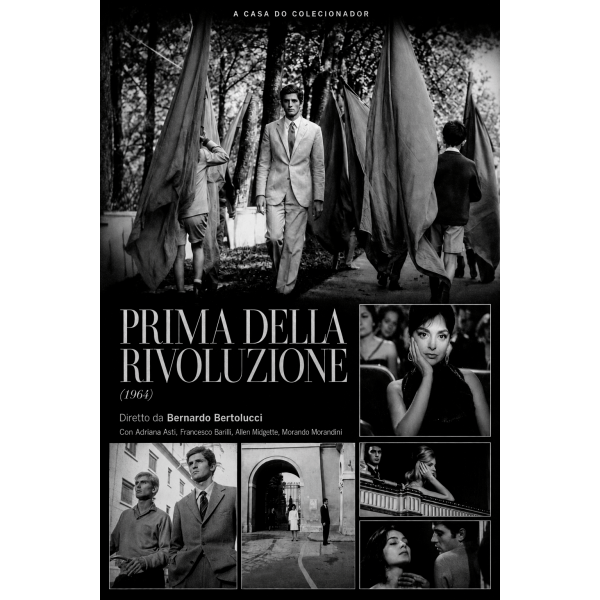
Antes da Revolução
R$16,90
Na Parma do início dos anos 1960, Fabrizio pertence a uma família burguesa abastada, mas vive em conflito com o mundo social que deveria herdar. Influenciado pelo marxismo e pelas conversas com Cesare, professor e referência intelectual, o jovem procura romper com os valores de sua classe e se afasta de Clelia, a noiva associada à estabilidade familiar que ele rejeita. A morte de Agostino, amigo inquieto cuja trajetória termina em um possível suicídio, aprofunda sua crise e transforma a inquietação política em uma experiência também íntima e existencial. A chegada de Gina, sua jovem tia vinda de Milão após atravessar um período de depressão, altera radicalmente essa trajetória. Refinada, emocionalmente instável e alheia às certezas ideológicas de Fabrizio, ela se torna sua confidente e, em seguida, objeto de uma relação amorosa secreta e proibida. Entre encontros, afastamentos e longas conversas, a paixão entre os dois expõe a fragilidade das convicções de Fabrizio: o jovem que pretende libertar-se das convenções sociais descobre que não consegue romper definitivamente nem com sua origem familiar nem com as estruturas afetivas que o formaram. Quando a relação com Gina se desfaz, Fabrizio retorna às discussões políticas com Cesare e confronta de maneira cada vez mais amarga a distância entre seu ideal revolucionário e a realidade que o cerca. A experiência conduz menos a uma transformação heroica do que ao reconhecimento de suas próprias contradições. Entre desejo, culpa, consciência de classe e resignação, Antes da Revolução acompanha uma educação sentimental e política na qual a promessa de ruptura termina diante da força do conformismo, da família e do pertencimento burguês. ..
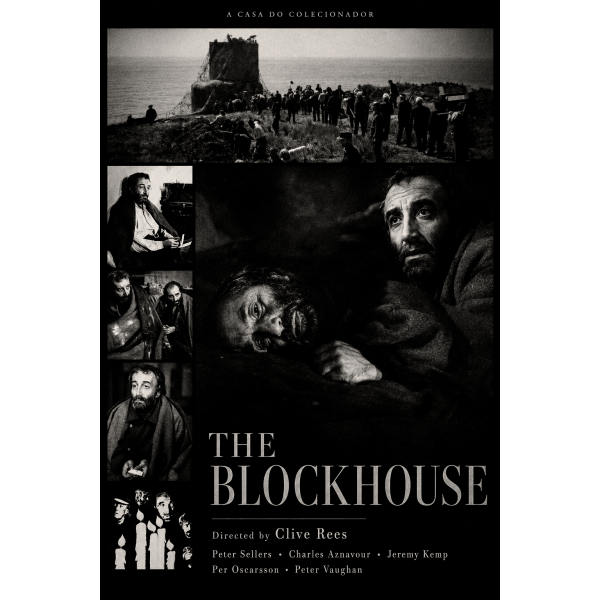
The Blockhouse
R$16,90
No Dia D, quando as forças aliadas desembarcam na Normandia, um grupo de trabalhadores submetidos ao domínio alemão procura proteção contra o intenso bombardeio dentro de uma fortificação subterrânea. As explosões bloqueiam completamente as saídas e transformam o bunker, concebido como abrigo e depósito, em uma prisão sem comunicação com o exterior. As reservas de alimentos e bebidas são suficientemente grandes para afastar por muito tempo a ameaça imediata da fome, mas nenhuma provisão pode resolver o problema essencial: ninguém sabe que eles continuam vivos, e não existe qualquer caminho aparente de fuga. A expectativa inicial de um resgate próximo começa então a dar lugar à percepção de que o confinamento poderá durar anos.Dirigido por Clive Rees e baseado no romance Le Blockhaus, de Jean-Paul Clébert, The Blockhouse constrói seu drama de guerra a partir do confinamento e da erosão psicológica, afastando-se progressivamente do espetáculo militar para observar a sobrevivência dentro de um espaço fechado. À medida que as velas se consomem e a luz disponível diminui, também se deterioram as referências de tempo, a estabilidade emocional e a convivência entre os homens. Tédio, doença, medo, ciúme, solidão e desesperança passam a ocupar o centro da experiência, fazendo do próprio bunker uma extensão física de seu isolamento.Peter Sellers assume um registro dramaticamente distante de sua imagem cômica mais conhecida, ao lado de Charles Aznavour, Jeremy Kemp, Per Oscarsson, Peter Vaughan, Nicholas Jones e Leon Lissek. Mais do que uma narrativa convencional sobre a Segunda Guerra Mundial, o filme transforma uma situação extrema de sobrevivência numa observação severa sobre resistência humana, perda da esperança e transformação das relações sociais quando espaço, liberdade, luz e passagem do tempo deixam de pertencer aos indivíduos...

Asfalto Molhado
R$16,90
Berlim, no final dos anos 1950. Greg Bachmann, jovem repórter que acaba de deixar a prisão depois de cumprir pena por métodos jornalísticos arriscados, recebe uma oportunidade inesperada: trabalhar ao lado de Cesar Boyd, célebre homem da imprensa cuja influência ultrapassa fronteiras. Bachmann admira a inteligência, a experiência e o alcance profissional de Boyd e aceita tornar-se seu assistente, acreditando ter encontrado o mentor capaz de transformar definitivamente sua carreira. A convivência, porém, revela gradualmente uma estrutura profissional sustentada não apenas pelo talento, mas também pela apropriação de matérias, pela manipulação dos fatos e por uma concepção profundamente cínica do jornalismo. Quando Boyd transforma uma história casualmente ouvida em uma suposta descoberta envolvendo soldados alemães que teriam permanecido isolados durante anos depois da Segunda Guerra Mundial, a notícia atravessa fronteiras, mobiliza jornais, autoridades e interesses políticos e ameaça produzir consequências muito maiores do que o próprio autor da fraude previa. Greg compreende então que seu verdadeiro conflito não é profissional, mas moral: permanecer ao lado do homem que lhe abriu as portas da grande imprensa ou enfrentar um sistema em que a mentira pode adquirir a aparência de verdade simplesmente porque foi publicada. Frank Wisbar constrói, em Asfalto Molhado, um drama de tensão jornalística no qual ambição, poder editorial, fabricação de notícias e responsabilidade individual convergem em uma reflexão incisiva sobre os limites éticos da imprensa. ..
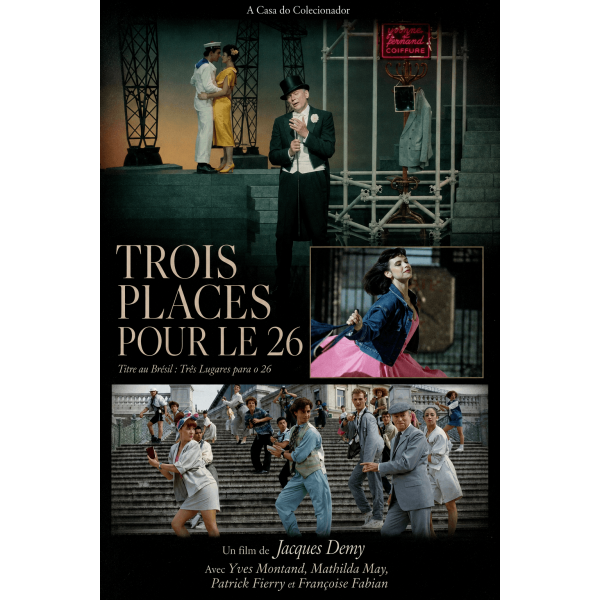
Três Lugares para o 26 1988
R$14,90
Yves Montand regressa a Marselha, cidade decisiva de sua juventude e do início de sua trajetória artística, para preparar um grande espetáculo destinado a uma nova turnê internacional. No palco da Ópera de Marselha, ensaios, coreografias e números musicais recompõem episódios de sua carreira, transformando a própria figura pública do cantor e ator em matéria dramática. Jacques Demy constrói, assim, uma narrativa em que espetáculo e memória se confundem: Montand interpreta uma versão de si mesmo, enquanto a cidade funciona como território de reencontro com experiências, afetos e escolhas que ficaram para trás. Paralelamente, Marion, jovem funcionária de uma perfumaria que sonha com os palcos e a dança, deseja conseguir três ingressos para a apresentação do dia 26. Sua determinação em aproximar-se de Montand acaba conduzindo-a para dentro do próprio espetáculo. Enquanto a jovem se aproxima do universo artístico que idealiza, Montand permanece assombrado pela lembrança de Mylène, seu amor de juventude, abandonado quando partiu para Paris em busca da carreira. As duas linhas narrativas começam então a se cruzar, colocando juventude e maturidade, desejo e lembrança, vida vivida e vida encenada no mesmo espaço dramático. Último longa realizado por Jacques Demy, o filme retoma uma das marcas mais persistentes de seu cinema: personagens cujos destinos são reorganizados por encontros, coincidências, canções e relações familiares inesperadas. A autobiografia pública de Montand é filtrada pelo imaginário musical de Demy, com música de Michel Legrand, e torna-se menos uma biografia convencional do que um jogo entre realidade, ficção, memória afetiva e representação teatral. Marselha, por sua vez, deixa de ser simples cenário e torna-se o ponto de convergência entre o homem célebre que retorna e as histórias que ainda permanecem ligadas ao seu passado...
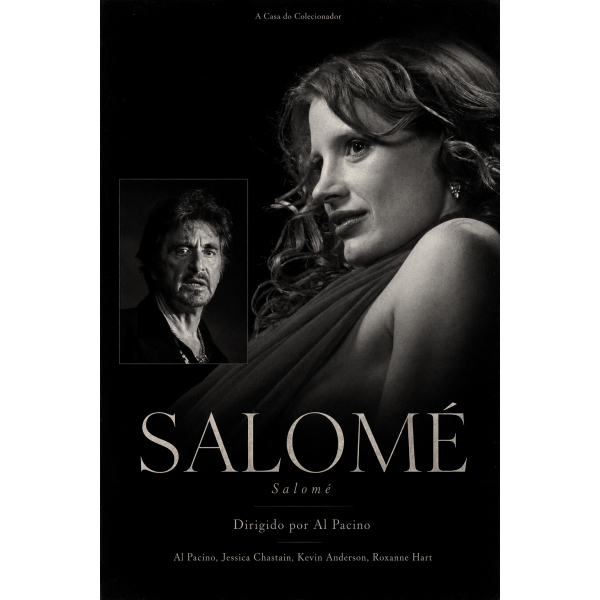
Salomé - 2013
R$14,90
No palácio de Herodes, desejo, autoridade e ressentimento convergem em torno de Salomé, jovem princesa que se deixa fascinar por João Batista, profeta mantido prisioneiro e irredutível diante do poder da corte. A atração de Salomé encontra nele uma recusa absoluta, transformando a paixão em humilhação, obsessão e impulso de vingança. Ao redor desse confronto, Herodias observa com hostilidade a presença do profeta, enquanto Herodes, dominado pelo desejo que sente pela enteada, torna-se progressivamente vulnerável às forças que acredita controlar. A adaptação concentra a tragédia de Oscar Wilde num espaço deliberadamente teatral, onde palavras, gestos, silêncios e relações de poder assumem maior importância do que a reconstrução histórica convencional. Quando Herodes promete conceder a Salomé aquilo que desejar em troca da Dança dos Sete Véus, a relação entre desejo e autoridade alcança seu ponto irreversível. Após a dança, ela exige a cabeça de João Batista numa bandeja de prata. A promessa do governante converte-se então numa armadilha criada por sua própria obsessão: nem riquezas, nem prestígio, nem temor religioso conseguem desfazer a palavra dada. Sob a direção de Al Pacino, Jessica Chastain ocupa o centro de uma tragédia sobre paixão rejeitada, erotismo, poder, morte e a incapacidade dos personagens de dominar os próprios desejos, preservando a intensidade verbal e o caráter simbolista da peça de Wilde...
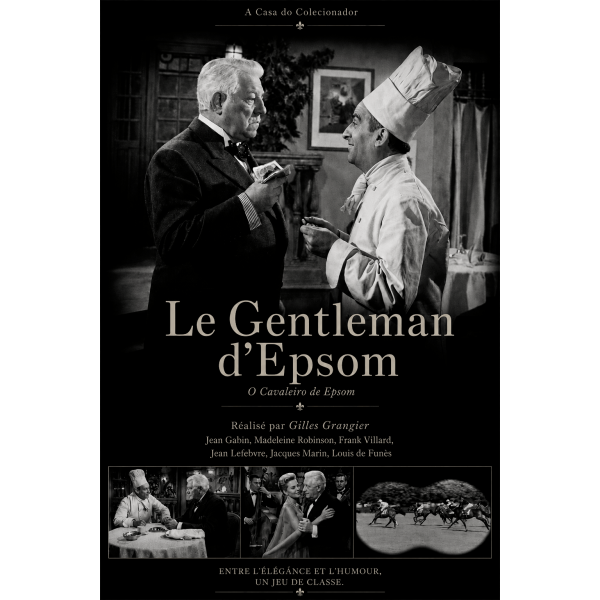
O Cavaleiro de Epsom - 1962
R$14,90
Richard Briand-Charmery conserva as maneiras, a presença e a segurança de um homem habituado aos melhores círculos, embora sua verdadeira existência se desenvolva muito mais perto dos hipódromos parisienses do que dos salões da alta sociedade. Ex-comandante de cavalaria e profundo conhecedor das corridas, ele transformou sua experiência em um pequeno sistema de sobrevivência: aproxima-se de apostadores crédulos, oferece informações supostamente privilegiadas sobre os cavalos e procura garantir para si uma participação nos possíveis ganhos. Por trás da aparência impecável encontra-se, entretanto, um homem permanentemente dependente da próxima aposta e do próximo cliente. Sua rotina de expedientes ganha nova urgência quando reaparece Maud, um grande amor de sua juventude. Para preservar diante dela a imagem do cavalheiro elegante que deseja continuar representando, Richard entrega-se a uma noite de generosidade acima de suas possibilidades e acaba assumindo uma despesa que não pode honrar. A necessidade de recuperar dinheiro conduz então o veterano jogador a novos planos, entre eles a exploração da cobiça e da desconfiança de Gaspard Ripeux, um restaurateur que acredita poder transformar informação privilegiada em fortuna. Gilles Grangier constrói assim uma comédia de vigaristas menos interessada no golpe espetacular do que no comportamento de seus personagens. Jean Gabin sustenta Richard entre autoridade, fanfarronice e vulnerabilidade, enquanto o universo das corridas de cavalos oferece um retrato social feito de dinheiro rápido, credulidade, aparência e desejo de ascensão. Os diálogos associados a Albert Simonin e Michel Audiard aprofundam essa observação de um pequeno mundo em que todos parecem procurar a combinação capaz de transformar acaso em prosperidade. ..
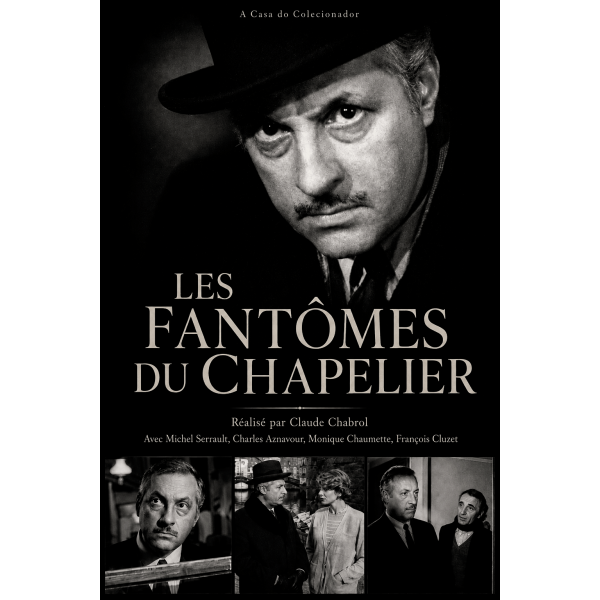
Os Fantasmas do Chapeleiro - 1982
R$14,90
Em uma pequena cidade francesa, Léon Labbé ocupa uma posição aparentemente irrepreensível: é um chapeleiro respeitado, homem de hábitos regulares e figura perfeitamente integrada à rotina da comunidade. Atrás dessa fachada de normalidade, porém, encontra-se uma realidade macabra. Sua esposa já não participa da vida exterior, e uma sequência de mulheres assassinadas por estrangulamento passa a inquietar uma população acostumada a reconhecer nos vizinhos rostos familiares, não ameaças. Enquanto polícia, imprensa e frequentadores dos cafés especulam sobre a identidade do criminoso, Labbé atravessa a cidade protegido justamente pela respeitabilidade que o torna socialmente invisível. Do outro lado da rua está Kachoudas, alfaiate de origem armênia interpretado por Charles Aznavour. Observador, vulnerável e situado à margem do círculo burguês frequentado pelo chapeleiro, ele começa a perceber aquilo que os demais habitantes não conseguem — ou talvez não desejem — enxergar. A suspeita transforma a relação entre os dois homens em um inquietante jogo de vigilância, medo, fascínio e dependência. Claude Chabrol revela cedo a natureza de Labbé e desloca a tensão da pergunta convencional sobre quem é o assassino para um território mais perturbador: como um criminoso consegue continuar existindo diante de uma sociedade que acredita conhecer perfeitamente seus membros? Adaptado do romance de Georges Simenon, Os Fantasmas do Chapeleiro combina thriller psicológico, narrativa criminal, mistério e humor negro para observar a violência escondida sob os códigos de respeitabilidade da vida provinciana. Michel Serrault constrói um protagonista simultaneamente teatral, inquietante e grotescamente cotidiano, enquanto Aznavour oferece a ele um contraponto silencioso e progressivamente angustiado. O crime funciona menos como quebra-cabeça policial do que como instrumento para examinar repressão, aparência social, isolamento, hierarquia de classe e deterioração psicológica — elementos profundamente associados ao universo cinematográfico de Claude Chabrol...
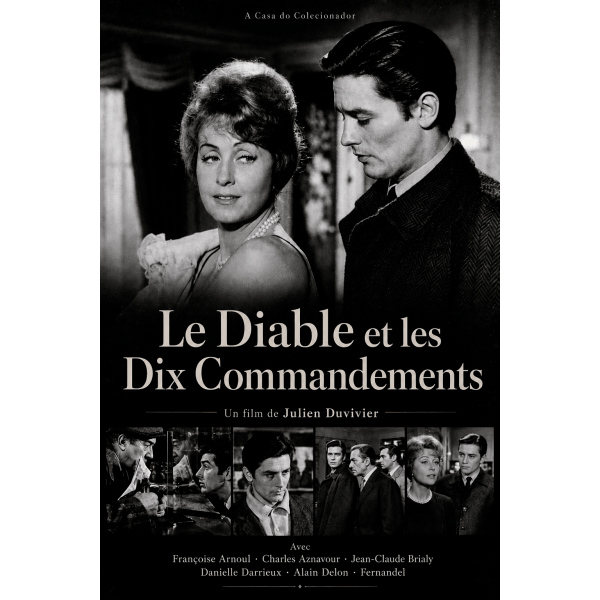
O Diabo e os 10 Mandamentos | Fruto Proibido - 1962
R$16,90
Julien Duvivier transforma os Dez Mandamentos em matéria para um mosaico de histórias sobre desejo, culpa, fé, vingança, adultério, dinheiro, família e os limites instáveis entre virtude e transgressão. A narrativa parte de Jérôme Chambard, homem idoso acolhido num convento, cuja linguagem profana irrita as religiosas até a chegada de um bispo ligado ao seu passado. A penitência imposta a Jérôme — reaprender os mandamentos — abre caminho para uma sucessão de episódios autônomos nos quais personagens comuns são confrontados por tentações capazes de revelar contradições que nenhuma regra moral resolve de maneira simples. O adultério surge associado a presentes e aparências; um seminarista precisa enfrentar o desejo de vingança após a tragédia de sua irmã; um misterioso viajante chega a uma propriedade rural apresentando-se como o próprio Deus; um jovem descobre que a mulher que o criou não é sua mãe biológica e procura uma famosa atriz ligada à sua origem; e um funcionário de banco acaba envolvido numa situação cada vez mais absurda após um assalto. Duvivier desloca continuamente o filme da comédia ao drama, do melodrama à sátira e à tensão moral, recusando uma divisão confortável entre inocentes e culpados. Realizado em 1962 e sustentado por um extraordinário elenco de diferentes gerações do cinema francês e europeu, o filme reúne Michel Simon, Fernandel, Alain Delon, Charles Aznavour, Louis de Funès, Lino Ventura, Danielle Darrieux, Françoise Arnoul, Jean-Claude Brialy e Micheline Presle em personagens concebidos como diferentes variações da fragilidade humana diante da tentação. O resultado é uma comédia dramática de estrutura antológica na qual religião e moral não funcionam apenas como assunto: tornam-se instrumentos para observar como desejo, egoísmo, compaixão, justiça e acaso podem modificar o significado de uma mesma regra...
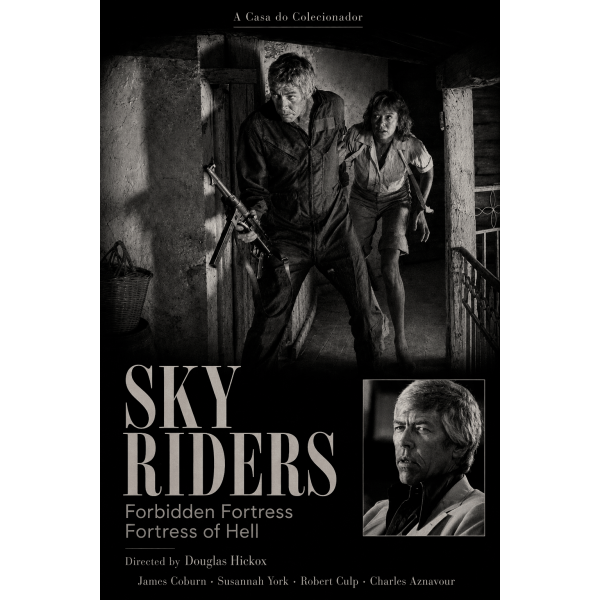
Fortaleza Proibida | Fortaleza do Inferno - 1976
R$14,90
Na Grécia, a aparente segurança que envolve a vida do industrial Jonas Bracken é destruída quando sua esposa, Ellen, e seus filhos são sequestrados por um grupo terrorista. A negociação conduzida pelas autoridades rapidamente se transforma numa crise de alcance maior, marcada por exigências sucessivas e pela dificuldade de localizar os reféns. É nesse cenário que Jim McCabe, ex-marido de Ellen, reaparece e decide abandonar a expectativa de uma solução convencional para assumir pessoalmente a busca pela família sequestrada.Uma fotografia enviada pelos criminosos oferece a McCabe a possibilidade de identificar o esconderijo: um antigo mosteiro isolado entre formações rochosas gregas, praticamente inacessível por terra e cuidadosamente protegido. Diante de um território que neutraliza uma aproximação tradicional, ele concebe uma operação incomum e recruta pilotos experientes de asa-delta. O que poderia parecer uma aventura esportiva converte-se em instrumento de infiltração, permitindo que o grupo se aproxime silenciosamente do local onde os reféns estão mantidos.Dirigido por Douglas Hickox, Fortaleza Proibida (Sky Riders, 1976) estrutura sua ação em torno de geografia, risco físico e movimento aéreo. James Coburn conduz o filme como Jim McCabe, ao lado de Susannah York, Robert Culp e Charles Aznavour, numa aventura em que o espetáculo nasce menos da tecnologia militar do que da exploração das paisagens gregas e da ousadia de um resgate executado pelos céus. A utilização dramática das asas-delta e das locações montanhosas confere ao longa uma identidade particular entre os thrillers de ação e aventura da década de 1970...
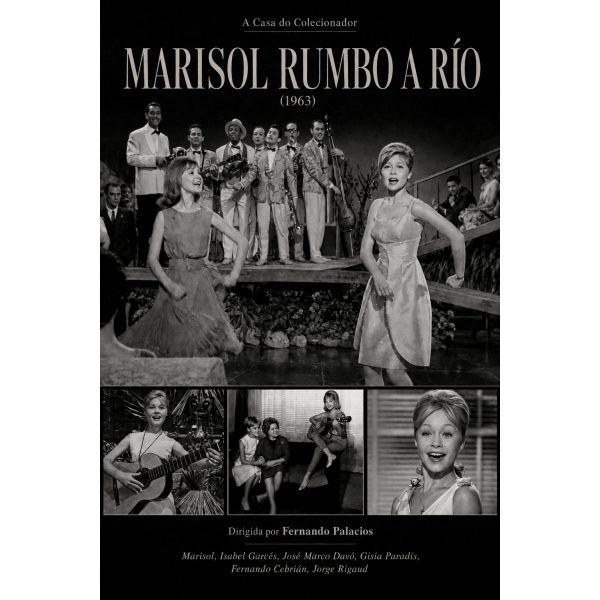
Marisol no Rio - 1963
R$14,90
Separadas durante anos, as irmãs gêmeas Marisol e Mariluz cresceram em mundos profundamente diferentes. Enquanto Marisol vive em Madri ao lado da mãe, Isabel, Mariluz permanece no Rio de Janeiro sob os cuidados do tio. O silêncio prolongado entre os dois lados da família alimenta a inquietação de Isabel, que, sem recursos para a viagem, decide vender os próprios móveis para finalmente partir com Marisol rumo ao Brasil e tentar reconstruir os laços interrompidos.A chegada ao Rio deveria significar apenas reencontro e reconciliação, mas revela uma realidade mais complexa. Mariluz desenvolveu hábitos e maneiras muito diferentes da irmã, enquanto pessoas próximas à família escondem interesses que ultrapassam as aparentes tensões domésticas. A presença de Sandra, Arturo, Toni e dos demais personagens conduz a narrativa da comédia familiar para uma aventura de enganos, suspeitas e riscos crescentes, na qual a extraordinária semelhança entre as gêmeas se transforma em elemento decisivo da trama.Dirigido por Fernando Palacios e protagonizado por Marisol em papel duplo, Marisol no Rio combina comédia, aventura e números musicais dentro de uma narrativa construída em torno da identidade, da família e do deslocamento entre Espanha e Brasil. O Rio de Janeiro deixa de funcionar apenas como destino exótico e torna-se espaço dramático para o reencontro das irmãs, para a descoberta de segredos e para uma sucessão de situações em que música, humor e suspense convivem dentro do cinema popular espanhol dos anos 1960...

Stalingrado: A Batalha Final - 1993
R$14,90
No verão de 1942, soldados alemães condecorados após a campanha do Norte da África desfrutam de um breve período de descanso na Itália. Entre eles estão Fritz Reiser, Manfred “Rollo” Rohleder e outros integrantes de uma unidade que recebe como novo comandante o jovem tenente Hans von Witzland. A aparente tranquilidade termina quando o grupo é transportado para a União Soviética e lançado no interior da ofensiva alemã contra Stalingrado. A viagem, inicialmente atravessada pela confiança na vitória e pelas promessas de conquista difundidas pelo regime nazista, conduz os homens a uma cidade reduzida a ruínas, onde edifícios destruídos, fábricas abandonadas e passagens subterrâneas se transformam em campos de combate.Sob o comando do capitão Musk, o pelotão participa de violentos confrontos casa a casa e sofre perdas devastadoras. A disciplina militar começa a ceder diante da exaustão, do medo e da percepção de que os soldados foram enviados para uma operação sem saída. O contato com combatentes e civis soviéticos rompe progressivamente a distância abstrata entre inimigos, enquanto a brutalidade dos oficiais alemães revela uma estrutura de poder que exige obediência mesmo quando já não existe qualquer possibilidade razoável de vitória. Após confrontarem decisões moralmente insustentáveis e desafiarem ordens superiores, alguns integrantes da unidade são rebaixados, enviados a uma companhia penal e submetidos a condições ainda mais desumanas.Com o cerco soviético, a narrativa abandona definitivamente qualquer expectativa de aventura militar. A fome, as doenças, os ferimentos, o abandono logístico e o inverno convertem a batalha numa lenta experiência de aniquilação física e psicológica. Joseph Vilsmaier observa a derrota alemã a partir do interior de um pequeno grupo, sem transformar os invasores em heróis e sem reduzir a guerra a espetáculo. Stalingrado: A Batalha Final constrói um drama antiguerra sobre homens envolvidos numa campanha de ocupação que, diante do colapso do exército e da ideologia que os conduziu até ali, tentam preservar os últimos vestígios de solidariedade, consciência e humanidade...

99 Mulheres - 1969
R$14,90
Em uma ilha tropical isolada, duas fortalezas penitenciárias — uma destinada a mulheres e outra a homens — formam um sistema de confinamento governado pela violência, pela corrupção e pelo desaparecimento gradual de qualquer garantia de dignidade. Quando Marie chega ao Castillo de la Muerte, recebe o número 99 e descobre que, naquele território apartado do mundo, o nome, o passado e a esperança das prisioneiras são substituídos pela obediência. A diretora Thelma Diaz governa o setor feminino por meio de humilhações e punições, enquanto o governador Santos utiliza a distância geográfica e o silêncio institucional para preservar uma estrutura de exploração que transforma os corpos das detentas em instrumentos de poder.A sucessão de mortes suspeitas leva as autoridades a enviar Leonie Caroll para assumir a administração da prisão e investigar as condições internas. Sua chegada parece abrir uma possibilidade de mudança, sobretudo para Marie, que espera recuperar o direito de ter seu caso examinado. Contudo, as limitações impostas pelo governador, a resistência da antiga direção e a própria arquitetura do sistema revelam que a substituição de uma autoridade não basta para desmontar uma organização fundada no abuso. Desiludida, Marie passa a enxergar a fuga não como aventura, mas como o último gesto possível de sobrevivência.Ao lado de outras prisioneiras, ela atravessa a mata que separa as duas penitenciárias, perseguida por guardas armados e exposta a perigos ainda mais imprevisíveis fora das muralhas. Jesús Franco constrói o enredo como um drama prisional de atmosfera opressiva, no qual o isolamento físico corresponde à suspensão da lei e da identidade individual. Entre exploitation, horror carcerário e melodrama sombrio, 99 Mulheres observa como instituições fechadas podem transformar disciplina em sadismo, proteção em domínio e liberdade em uma promessa continuamente adiada...
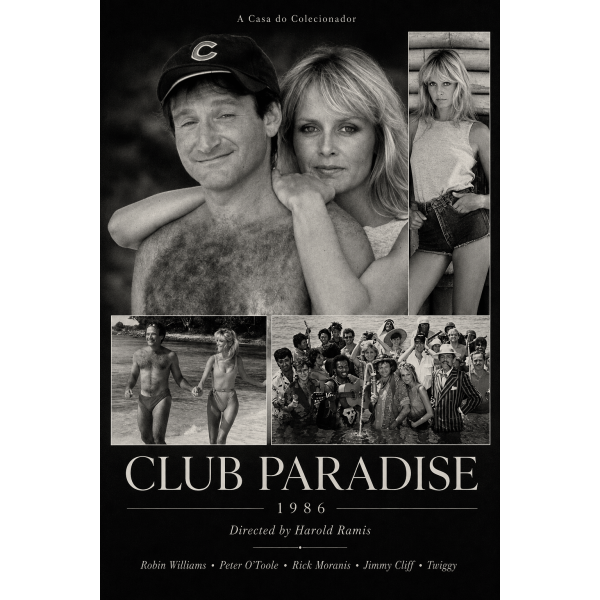
Clube Paraíso - 1986
R$12,90
Ferido durante uma ocorrência que encerra sua carreira no Corpo de Bombeiros de Chicago, Jack Moniker abandona a vida urbana e muda-se para Saint Nicholas, uma pequena ilha caribenha onde pretende recomeçar com o dinheiro recebido do seguro. Ali conhece Ernest Reed, músico de reggae e proprietário de um estabelecimento à beira-mar ameaçado por dívidas e irregularidades administrativas. A amizade entre os dois conduz à criação do Clube Paraíso, uma hospedagem improvisada promovida como destino tropical privilegiado, embora sua estrutura precária esteja muito distante da imagem prometida aos visitantes.A chegada dos turistas transforma o resort em um microcosmo de expectativas, frustrações e desencontros culturais. Casais em crise, viajantes em busca de aventuras amorosas e uma jornalista especializada em turismo descobrem que o paraíso anunciado depende de improvisação constante. Enquanto Jack tenta administrar os hóspedes e Ernest preserva a identidade musical e comunitária do lugar, o empresário Voit Zerbe procura assumir a propriedade para convertê-la em um empreendimento mais lucrativo, contando com a pressão exercida pelo primeiro-ministro Solomon Gundy e pelas frágeis instituições da ilha.Sob a direção de Harold Ramis, Clube Paraíso desenvolve-se como comédia coral, distribuindo o humor entre Robin Williams e um conjunto de intérpretes ligados à tradição da improvisação e da comédia de esquetes. Ramis alterna diálogos rápidos, episódios de constrangimento, humor físico e sátira institucional, utilizando a desorganização do resort como reflexo da própria instabilidade política e econômica de Saint Nicholas. A narrativa episódica privilegia o choque entre personalidades e permite que figuras como os hóspedes ansiosos, o governador britânico interpretado por Peter O’Toole e os administradores locais componham uma visão simultaneamente cômica e crítica daquele universo.À medida que a disputa comercial se converte em confronto político, a leve comédia de férias aproxima-se de uma farsa sobre especulação imobiliária, turismo predatório e permanência de estruturas coloniais. A paisagem tropical deixa de funcionar apenas como cenário de evasão e passa a representar um território disputado entre aqueles que o tratam como mercadoria e aqueles que nele reconhecem vínculos de sobrevivência e pertencimento. Clube Paraíso encontra sua identidade nessa tensão entre fantasia turística e realidade insular, articulando amizade, música, resistência comunitária e crítica social dentro do registro popular da comédia norte-americana dos anos 1980...
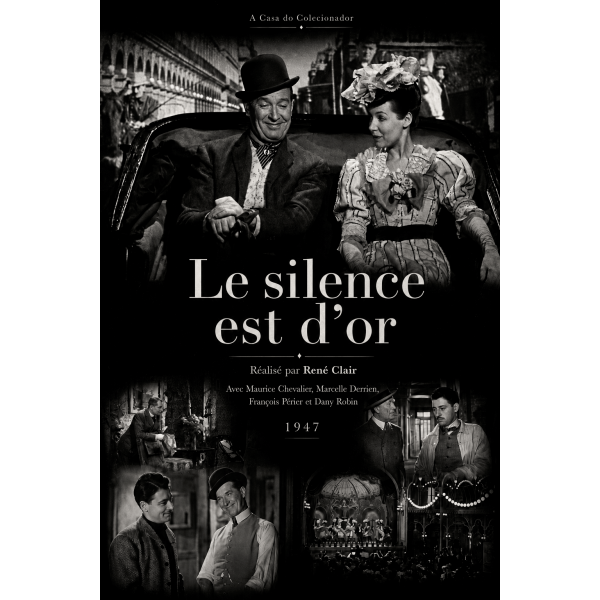
O Silêncio é de Ouro | Silêncio de Ouro - 1947
R$14,90
Na Paris de 1906, quando o cinema ainda era uma arte jovem, artesanal e próxima das barracas de feira, Émile Clément dirige um pequeno estúdio dedicado à produção de curtas-metragens populares. Experiente, elegante e seguro de seu domínio sobre as mulheres, ele conduz atores, técnicos e cenários improvisados com a mesma desenvoltura com que organiza a própria vida sentimental. Ao seu lado trabalha Jacques Francet, jovem assistente de temperamento sensível, a quem Émile procura ensinar uma visão despreocupada do amor, baseada na conquista, na distância emocional e na certeza de que nenhum romance deve comprometer a liberdade masculina.O equilíbrio entre os dois se transforma quando Madeleine Célestin chega a Paris em busca do pai. Filha de um antigo conhecido de Émile e de uma mulher que marcou profundamente o passado do cineasta, Madeleine é acolhida em seu círculo e introduzida ao ambiente do estúdio. Sua presença desperta em Émile um sentimento que já não se confunde com suas aventuras habituais. Ao mesmo tempo, a jovem aproxima-se de Jacques, estabelecendo uma relação que ameaça converter a amizade e a cumplicidade profissional dos dois homens em rivalidade.René Clair organiza esse triângulo afetivo dentro de uma recriação afetuosa dos primeiros anos do cinema francês. Filmagens encenadas diante da câmera, cenários pintados, efeitos rudimentares, atores melodramáticos e técnicos em constante movimento transformam o estúdio em um pequeno universo onde a vida real começa a imitar as histórias fabricadas para a tela. A comédia nasce dos equívocos, dos conselhos amorosos que retornam contra quem os formulou e da distância entre a imagem de conquistador cultivada por Émile e sua crescente vulnerabilidade diante de Madeleine.Mais do que uma comédia romântica, O Silêncio é de Ouro observa a passagem do tempo, o amadurecimento e a dignidade necessária para reconhecer que determinados sentimentos já pertencem a uma geração mais jovem. Maurice Chevalier constrói Émile como um homem espirituoso e sedutor, mas também consciente de que sua experiência não lhe concede domínio absoluto sobre o desejo alheio. François Périer e Marcelle Derrien dão ao romance juvenil uma delicadeza que contrasta com a sofisticação defensiva do protagonista. Entre nostalgia, humor e melancolia, o filme transforma o nascimento do cinema em cenário para uma história sobre renúncia, memória e elegância emocional...
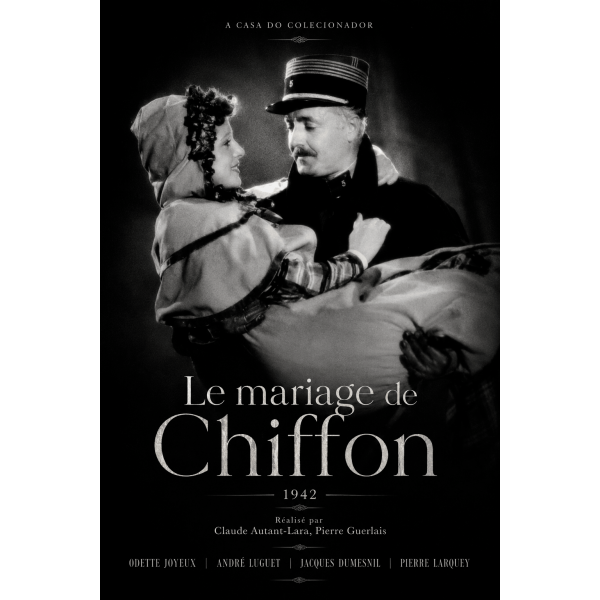
Casamento de Chiffon - 1942
R$16,90
Corysande de Bray, conhecida por todos como Chiffon, é uma jovem aristocrata de dezesseis anos cuja espontaneidade, imaginação e independência entram continuamente em conflito com as convenções do ambiente familiar. Incapaz de aceitar passivamente as regras de comportamento reservadas às mulheres de sua posição, ela mantém uma relação de permanente confronto com a mãe, Madame de Bray, que deseja encaminhá-la para um casamento socialmente vantajoso e libertar a casa de sua presença considerada indisciplinada.O pretendente escolhido é o duque d’Aubières, um homem distinto, generoso e bem-posicionado, cuja proposta reúne todas as qualidades que a família considera necessárias para um matrimônio ideal. Chiffon, entretanto, recusa-se a transformar respeito e gratidão em amor. Embora reconheça a bondade do duque, percebe que aceitar a união significaria submeter a própria vida aos interesses e às expectativas de uma sociedade preocupada com títulos, aparências e conveniências.Por trás de sua rebeldia existe um sentimento ainda não inteiramente revelado. Chiffon está apaixonada por Marc, irmão de seu padrasto, homem mais velho, fotógrafo e presença afetiva que compreende melhor seu temperamento inconformado. Marc, porém, não percebe imediatamente a natureza desse afeto, enquanto Chiffon oscila entre a insolência, a vulnerabilidade e o medo de confessar aquilo que sente.A partir desse conflito, Claude Autant-Lara constrói uma comédia romântica de encontros, recusas e equívocos, na qual a leveza dos diálogos convive com uma crítica à rigidez da família burguesa e aristocrática. O duque, longe de ser transformado em antagonista, reconhece a verdade emocional da jovem e age com dignidade, ajudando Marc a compreender que Chiffon o ama. O casamento que encerra a narrativa deixa, assim, de representar uma imposição social para tornar-se consequência de uma escolha afetiva. Adaptado do romance de Gyp, Casamento de Chiffon observa a passagem da adolescência para a vida adulta sem eliminar as contradições da protagonista. A irreverência de Chiffon não funciona apenas como elemento cômico: é a expressão de uma jovem que procura preservar a própria identidade diante de um mundo decidido a escolher por ela. Com Odette Joyeux no papel central, o filme articula romance, humor e crítica de costumes em torno da liberdade de amar fora das conveniências estabelecidas...
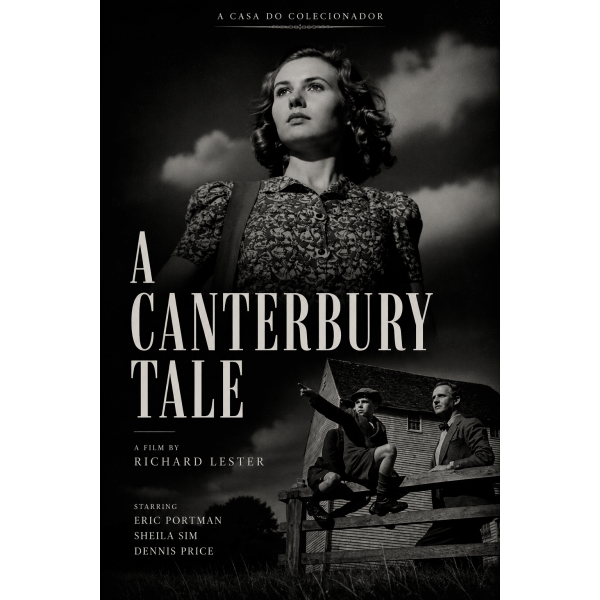
Um conto de Canterbury - 1944
R$16,90
Em plena Segunda Guerra Mundial, quando a Inglaterra vivia entre as incertezas do conflito e a necessidade de preservar a sua identidade cultural, três viajantes chegam ao condado de Kent percorrendo antigas rotas que, durante séculos, conduziram peregrinos à Catedral de Canterbury. A partir desse encontro casual, Michael Powell e Emeric Pressburger constroem uma narrativa que combina mistério, drama e contemplação, transformando uma investigação aparentemente simples numa reflexão sobre memória, pertencimento e tradição inglesa. À medida que Alison Smith, Peter Gibbs e Bob Johnson aprofundam a busca pelo enigmático "Glue Man", cada personagem enfrenta também uma jornada interior. O percurso deixa de ser apenas físico para assumir um significado simbólico, evocando a obra de Geoffrey Chaucer e estabelecendo um diálogo entre a Inglaterra medieval e o país que resiste aos efeitos da guerra. A paisagem rural de Kent deixa de servir apenas como cenário e passa a desempenhar um papel narrativo essencial, refletindo o estado emocional dos protagonistas e a permanência da história sobre o território. A encenação privilegia o tempo da observação, o silêncio e a descoberta gradual dos personagens. Powell e Pressburger evitam a construção de um suspense convencional para desenvolver uma experiência cinematográfica marcada pelo humanismo, pela espiritualidade e pela delicada integração entre realidade e simbolismo. A fotografia de Erwin Hillier valoriza os campos, vilarejos e monumentos históricos com um lirismo que se tornaria uma das características mais reconhecidas da dupla criativa conhecida como The Archers. Recebido de forma discreta em seu lançamento, Um Conto de Canterbury foi amplamente reavaliado pelas décadas seguintes e hoje ocupa posição de destaque entre as obras fundamentais do cinema britânico. A produção é frequentemente reconhecida como uma das realizações mais pessoais de Powell e Pressburger, celebrada pela capacidade de unir patrimônio histórico, identidade nacional e linguagem cinematográfica numa obra de rara sensibilidade, cuja influência permanece viva entre estudiosos, cineastas e instituições dedicadas à preservação do patrimônio audiovisual..
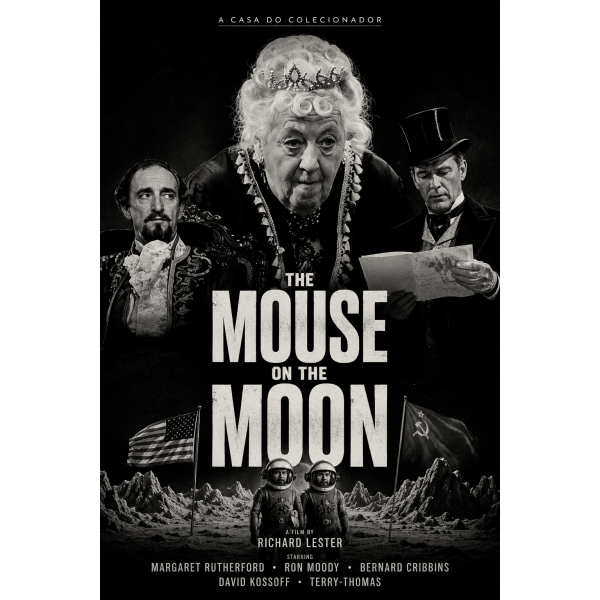
O Rato na Lua - 1963
R$16,90
Entre a euforia da corrida espacial e as tensões ideológicas da Guerra Fria, De Rato à Lua (The Mouse on the Moon) transforma um pequeno principado europeu em palco de uma das mais engenhosas sátiras políticas produzidas pelo cinema britânico da década de 1960. Continuação direta do universo criado por Leonard Wibberley e iniciado nas telas por The Mouse That Roared (1959), o filme abandona qualquer pretensão de ficção científica convencional para construir uma comédia de costumes que ironiza a lógica das superpotências, expondo como propaganda, diplomacia e prestígio internacional frequentemente se sobrepunham às necessidades reais das populações. No diminuto Grão-Ducado de Grand Fenwick, uma crise doméstica aparentemente banal — a urgente necessidade de substituir um antiquado sistema hidráulico do castelo — leva seus governantes a conceber um plano improvável: solicitar financiamento internacional sob o disfarce de um programa espacial. O estratagema desperta imediatamente o interesse simultâneo de Washington e Moscou, que enxergam na pequena nação uma oportunidade estratégica para ampliar influência política durante o auge da disputa tecnológica entre Oriente e Ocidente. O que deveria ser apenas uma operação burocrática transforma-se numa sucessão de acontecimentos imprevisíveis, onde cientistas excêntricos, diplomatas desconfiados, agentes de inteligência e representantes das grandes potências acabam envolvidos numa competição tão absurda quanto reveladora das contradições daquele período histórico. Richard Lester conduz essa premissa com um refinado equilíbrio entre humor britânico, sátira institucional e ritmo farsesco. Antes de revolucionar o cinema popular com A Hard Day's Night, o diretor já experimentava aqui soluções visuais que romperiam com a encenação tradicional das comédias britânicas, privilegiando movimentos de câmera dinâmicos, montagem ágil e uma narrativa que constantemente ridiculariza a solenidade dos discursos oficiais. A comicidade nasce menos das situações extravagantes do que do contraste entre a grandiosidade dos projetos internacionais e a simplicidade quase medieval de Grand Fenwick, cuja ingenuidade acaba desestabilizando mecanismos políticos infinitamente mais complexos do que seus próprios governantes imaginam. Sob sua aparência leve, a obra preserva um comentário mordaz sobre nacionalismo, corrida armamentista, burocracia estatal, propaganda científica e competição geopolítica, temas tratados com um humor que permanece reconhecivelmente britânico e deliberadamente elegante. Em vez de ridicularizar a exploração espacial em si, o filme dirige sua ironia ao uso político da ciência e à necessidade constante das grandes potências de demonstrar superioridade diante do mundo. Essa combinação entre fantasia, crítica diplomática e espírito satírico consolidou The Mouse on the Moon como uma curiosa e singular representação cinematográfica das ansiedades do início da década de 1960, permanecendo como uma das continuações mais originais produzidas pelo cinema britânico daquele período. ..
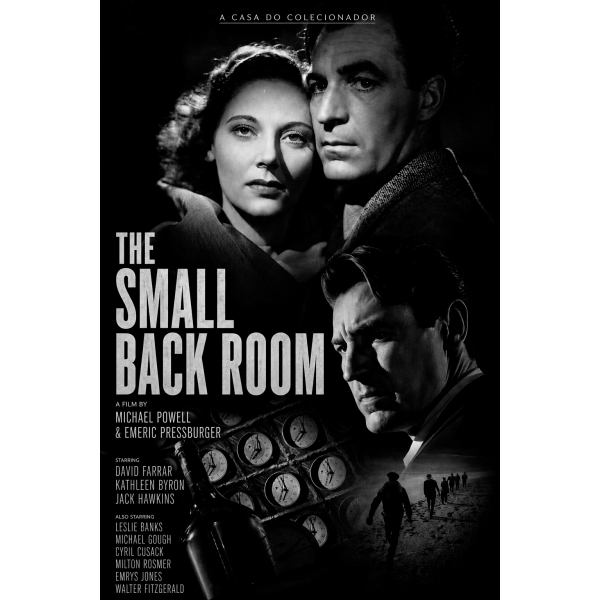
De Volta ao Pequeno Apartamento - 1949
R$16,90
A obraProduzido em 1949, The Small Back Room representa uma das inflexões mais singulares da trajetória artística de Michael Powell e Emeric Pressburger. Após alcançarem reconhecimento internacional com obras visualmente exuberantes como Black Narcissus (1947) e The Red Shoes (1948), a dupla optou por um caminho radicalmente diferente, substituindo o esplendor cromático por um drama intimista em preto e branco, centrado nas cicatrizes invisíveis deixadas pela Segunda Guerra Mundial. Inspirado no romance de Nigel Balchin, o filme desloca a atenção dos grandes campos de batalha para os escritórios, laboratórios e departamentos científicos responsáveis por enfrentar uma guerra silenciosa, revelando o papel decisivo dos chamados back room boys, pesquisadores e engenheiros cuja contribuição permaneceu, durante muito tempo, distante do reconhecimento público. Essa mudança de perspectiva transformou a obra em uma das mais maduras e humanistas da filmografia dos realizadores, demonstrando que os maiores conflitos nem sempre acontecem diante das câmeras da História, mas frequentemente no íntimo daqueles encarregados de tomar decisões impossíveis. A narrativaAmbientado na Inglaterra durante os anos finais da Segunda Guerra Mundial, o filme acompanha Sammy Rice, um brilhante cientista especializado em armamentos e desativação de explosivos que carrega profundas marcas físicas e emocionais deixadas pelo conflito. Enquanto o governo britânico tenta compreender o funcionamento de um novo tipo de armadilha explosiva lançada pelas forças alemãs, Sammy é convocado para integrar uma investigação cuja urgência cresce a cada nova vítima. Entretanto, a verdadeira batalha do protagonista não ocorre apenas diante dos perigos representados pelos dispositivos inimigos. A dor permanente causada por uma antiga mutilação, a dependência do álcool, o sentimento de inferioridade e a dificuldade em aceitar o amor de Susan transformam sua existência em um delicado equilíbrio entre coragem e autodestruição. Powell e Pressburger conduzem essa narrativa com extraordinária contenção dramática, evitando heroísmos convencionais e privilegiando personagens profundamente humanos, cujas fragilidades tornam cada decisão ainda mais significativa. O suspense nasce tanto da ameaça concreta das bombas quanto da incerteza emocional que acompanha cada passo do protagonista, criando uma experiência cinematográfica em que tensão psicológica e drama afetivo se desenvolvem de forma inseparável. A construção dramáticaMuito além de um filme de guerra, The Small Back Room desenvolve uma investigação sensível sobre culpa, responsabilidade, autoestima e reconstrução pessoal. O roteiro evita transformar Sammy Rice em um herói tradicional, preferindo revelar um homem brilhante cuja inteligência convive diariamente com o medo do fracasso, a dor física e o peso das próprias limitações. A relação entre Sammy e Susan constitui o eixo emocional da narrativa, funcionando como contraponto à atmosfera opressiva dos ambientes militares e burocráticos. Ao mesmo tempo, o conflito entre ciência, política e administração pública evidencia como interesses institucionais, vaidades pessoais e decisões estratégicas podem influenciar diretamente a vida daqueles que trabalham nos bastidores da guerra. Essa combinação de suspense técnico, drama psicológico e romance produz uma narrativa rara no cinema britânico da época, marcada por um ritmo deliberadamente contido que privilegia o desenvolvimento dos personagens e a construção gradual da tensão até um dos desfechos mais memoráveis da parceria entre Powell e Pressburger. Direção e linguagem cinematográficaA direção de Michael Powell e Emeric Pressburger demonstra notável maturidade ao abandonar qualquer espetáculo visual gratuito em favor de uma linguagem cinematográfica profundamente introspectiva. A fotografia de Christopher Challis utiliza o preto e branco para explorar contrastes de luz e sombra que aproximam a obra do universo do film noir, reforçando visualmente o isolamento emocional do protagonista. Entre as sequências mais celebradas encontra-se o célebre delírio da garrafa de uísque, frequentemente apontado como um dos momentos mais inventivos do cinema britânico do período, no qual elementos expressionistas traduzem cinematograficamente o conflito interior provocado pelo alcoolismo. Em contraste, a longa sequência final na praia de Chesil transforma um espaço aberto em um cenário de suspense quase insuportável, demonstrando a extraordinária capacidade dos diretores de construir tensão através do silêncio, da composição visual e da expectativa. A direção de atores privilegia interpretações contidas e naturalistas, especialmente de David Farrar, cuja atuação é amplamente reconhecida como uma das mais complexas de sua carreira. ProduçãoA adaptação do romance de Nigel Balchin acompanhava um interesse antigo de Michael Powell, que via na obra uma oportunidade de retratar os efeitos psicológicos da guerra sobre indivíduos normalmente esquecidos pelas narrativas heroicas tradicionais. Inicialmente recebida com reservas por Emeric Pressburger, a história acabou tornando-se um dos projetos mais pessoais da dupla quando ambos retornaram à London Films, de Alexander Korda, após o inesperado rompimento com a Rank Organisation logo depois do lançamento de The Red Shoes. O romance de Balchin refletia diretamente experiências adquiridas durante seu trabalho ligado ao esforço de guerra britânico, circunstância que conferiu autenticidade ao retrato dos ambientes científicos, administrativos e militares apresentados no filme. A produção também consolidou novas colaborações importantes dentro da equipe dos Archers, incluindo o trabalho fotográfico de Christopher Challis e a música original de Brian Easdale, enquanto David Farrar e Kathleen Byron voltavam a dividir a tela pouco tempo depois do enorme impacto causado por Black Narcissus. Legado Ao longo das décadas, The Small Back Room deixou de ser visto apenas como um drama de guerra para ser reconhecido como uma das obras mais sofisticadas do cinema britânico do pós-guerra. Seu retrato da vulnerabilidade masculina, da saúde mental, da dependência química e do heroísmo silencioso antecipou abordagens que somente muitos anos depois se tornariam frequentes no cinema contemporâneo. Hoje, a obra ocupa posição de destaque dentro da filmografia de Powell e Pressburger justamente por revelar uma faceta menos grandiosa, porém profundamente humana, da parceria entre os dois realizadores. Preservado, restaurado e constantemente revisitado por cinematecas, instituições de preservação e editoras especializadas, o filme permanece como uma referência indispensável para estudiosos do cinema britânico, pesquisadores da representação da Segunda Guerra Mundial e colecionadores interessados em produções que transformam conflitos íntimos em experiências cinematográficas de extraordinária força dramática...